

Regulation (EU) 2021/241 stipulates that any activity, including the Contract for the Construction of the Lisbon City Drainage Tunnels and Associated Works, must align with the six environmental objectives set out in Regulation (EU) 2020/852 (EU Taxonomy), ensuring compliance with relevant environmental regulations and standards.
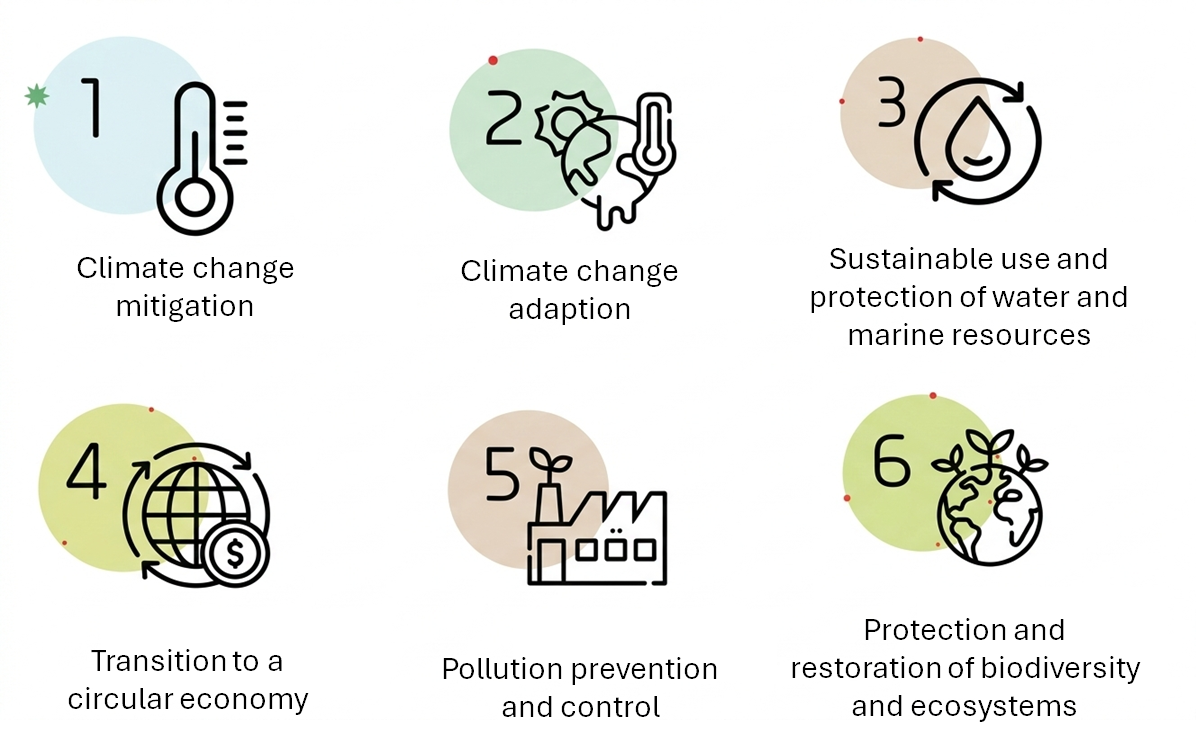
Given the nature of the project, which consists of:
• The construction of underground infrastructure designed to strengthen the city of Lisbon’s hydraulic resilience in the face of heavy rainfall events;
• Improving the management of stormwater flows by diverting them away from areas historically vulnerable to flash flooding.
The project will make a particularly significant contribution to climate change mitigation and adaptation, fostering trust in its role in promoting carbon neutrality and strengthening the region’s climate resilience.
To demonstrate that the project does not cause significant harm and effectively contributes to climate resilience, a comprehensive assessment was conducted based on the DNSH principle, referencing the European Commission’s ‘Technical Guidelines on the Climate Resilience of Infrastructure for the period 2021–2027,’ which validates the project’s resilience measures at all stages from design to decommissioning.
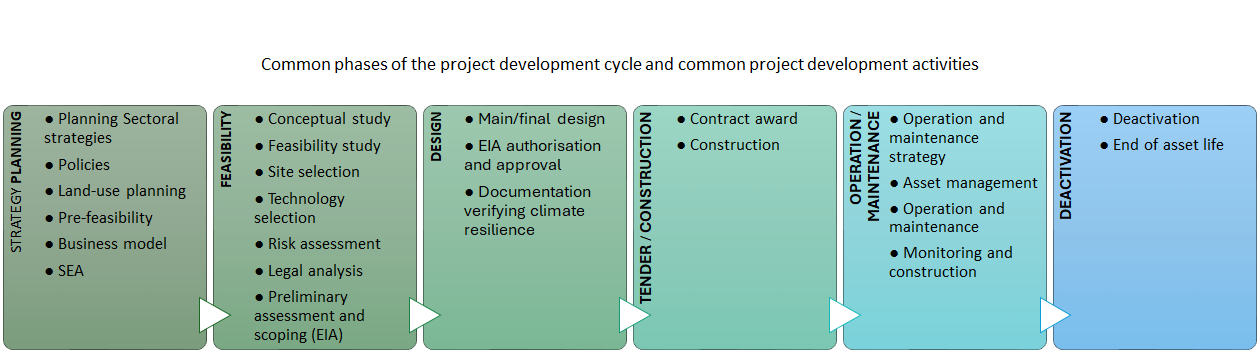
The assessment revealed that:
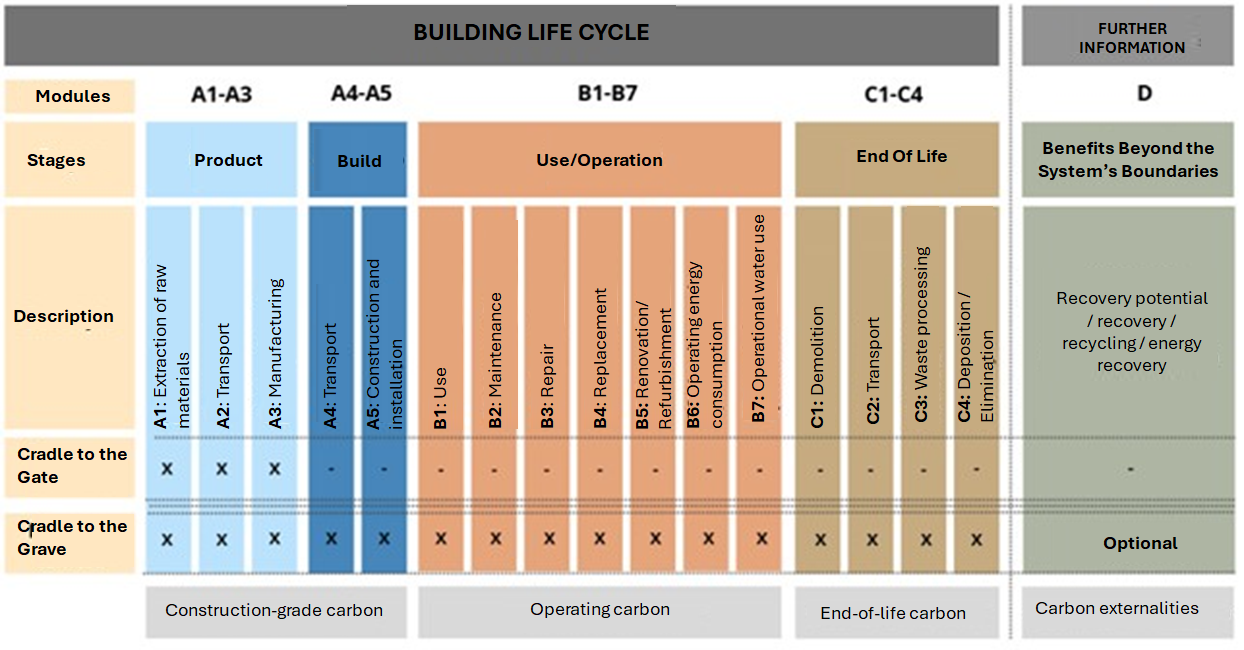
• In terms of climate change mitigation (climate neutrality), emissions arise in two main phases, taking into account the project’s full life cycle:
o Construction: related to concrete, steel, excavation and transport of soil, electrical and combustion equipment, as well as energy and water consumption;
Operational emissions include pumping and maintenance activities, with ongoing monitoring planned to verify reductions in emissions and flood risk, thereby ensuring the project’s continued contribution to climate change mitigation and resilience over its lifespan.
- By directly addressing the main climate risk — flooding — the project aims to enhance the safety and resilience of the Lisbon area, helping stakeholders feel more secure against extreme rainfall events.
- The assessment carried out — which included an analysis of potentially affected areas, types of damage, and estimates of losses and emissions in scenarios with and without the infrastructure — objectively demonstrates the project’s contribution to strengthening the city’s climate adaptation and resilience. The project:
- Reduces the areas at risk, particularly those classified as having high or very high vulnerability to flooding. Consequently, it reduces the material damage and socio-economic impacts caused by these events, as well as the associated emissions;
- Offers future-proof hydraulic robustness. As it is designed based on future climate scenarios, it has the capacity to respond to potentially more frequent and intense extreme events, thereby reinforcing its suitability for the anticipated climate conditions.