
“All communities and areas are vulnerable to natural or artificial hazards. Learning to live with risk, accepting this vulnerability, shocks and stresses, and developing a collective tolerance for risk is the first step towards becoming more resilient,” says Manuel Duarte Pinheiro, head of the LiderA System.
In 2020, at Belas Clube de Campo during Phase III, the LiderA System conducted an assessment. It proposed improvement measures, based on climate change resilience standards and other criteria, resulting in the site being awarded a high level of resilience (LiderA Class A). This achievement highlights the community’s strength and commitment to resilience, fostering pride among stakeholders.
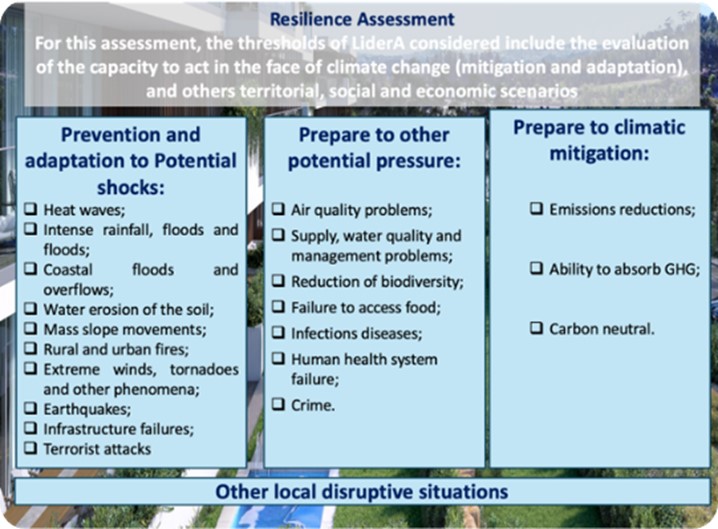
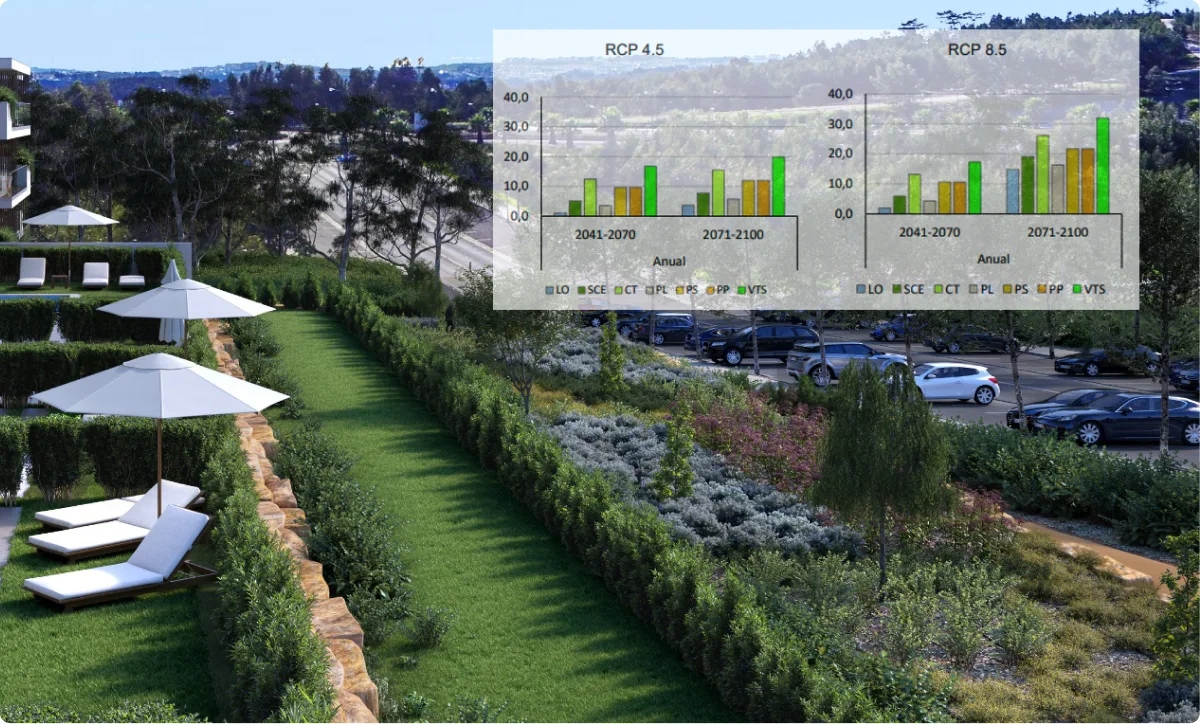
For this assessment, 20 parameters were considered, including heatwaves, heavy rainfall/flooding, water supply/quality and management issues, water-induced soil erosion, fire risk, biodiversity, failures in energy, sanitation and waste infrastructure, and crime, amongst others This assessment demonstrates the capacity of built environments and communities to adapt, react, and respond effectively to natural risks such as floods, storms, and heatwaves, as well as human-induced risks like crime, terrorist attacks, and infrastructure failures. The results support the justification for the LiderA Class A resilience certification, highlighting the community’s high resilience Level and preparedness.